In my early years in the classroom, I had two girls who, in the language of the time, might have been called frenemies.
- They were both strong leaders.
- They liked each other.
- They were admired by the other students.
And they were endlessly competing for that leadership space.
At least once a week, they would find their way to my desk during snack or lunch to work through some conflict that had started outside.
At first, I would say,
“Sure, let’s work through that. Bring your snack to my desk.”
We would sit together and practice listening, perspective-taking, and resolving the problem. Over time, something interesting began to happen.
One of them would come through the door after recess or lunch and quietly ask if she could eat at my desk.
We all knew what that meant.
And moments like that are a gentle reminder that in classrooms, we are not only teaching academic subjects. We are also helping students learn how to understand emotions, communicate with others, and navigate challenges.
And that’s really where social emotional learning begins.
What Is Social Emotional Learning (SEL)?
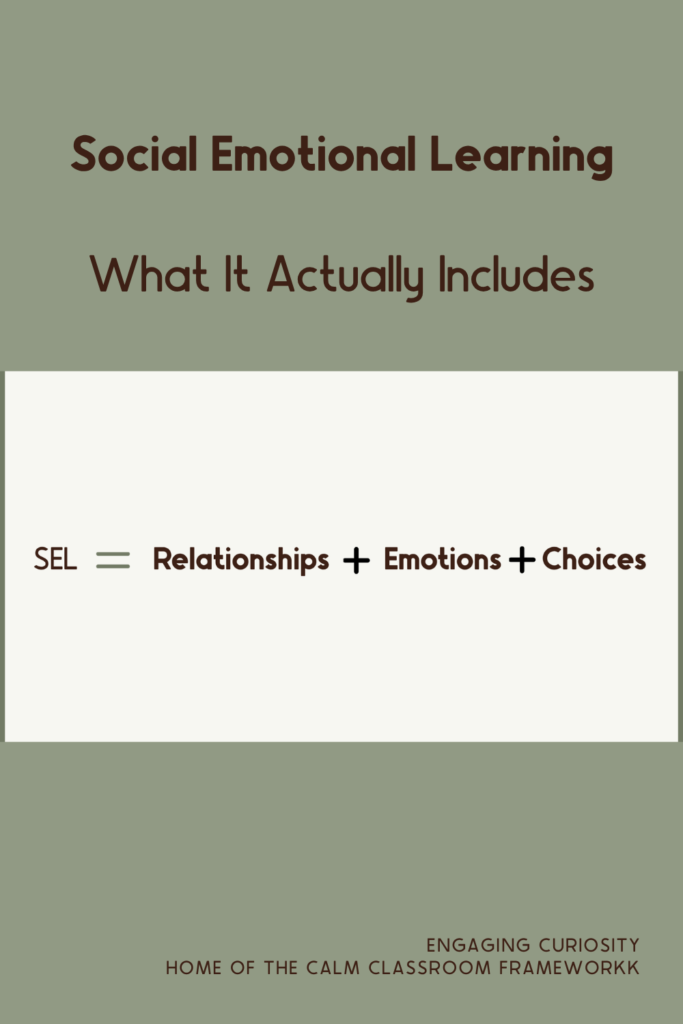
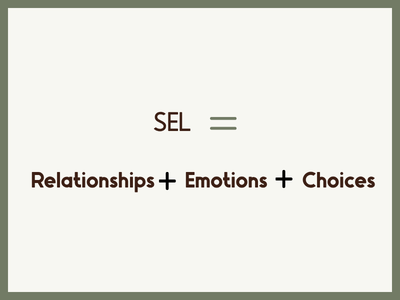
Social emotional learning (SEL) is the process of helping students develop the knowledge and skills needed to understand emotions, build healthy relationships, and make responsible decisions.
In classrooms, SEL supports students in learning how to:
- recognize and manage their emotions
- develop empathy
- communicate respectfully
- solve problems with others
- make thoughtful decisions.
These abilities help students participate more successfully in both learning and classroom relationships.
In simple terms, social emotional learning helps students develop the emotional and interpersonal skills that support both learning and relationships.
Why Is Social Emotional Learning Important for Students?
Learning is deeply connected to emotional regulation.
When students feel overwhelmed, frustrated, or anxious, their ability to focus and process information becomes limited. However, when students develop strategies for managing emotions and navigating relationships, they are better able to engage in learning.
Research on social emotional learning has shown that SEL instruction can support:
- improved classroom behaviour
- stronger academic outcomes
- healthier peer relationships
- greater emotional resilience.
In practical terms, SEL helps students develop the skills they need to function successfully in school and in life.
Students participate more successfully in learning when they understand both their emotions and their relationships with others.
What Does Social Emotional Learning Mean in Schools?
Social emotional learning is often described through five key areas of development.
Self-Awareness
Students learn to recognize their emotions, strengths, and personal challenges.
Self-Management
Students practice regulating emotions, managing stress, and working toward goals.
Social Awareness
Students develop empathy and learn to understand other perspectives.
Relationship Skills
Students practice communication, cooperation, and conflict resolution.
Responsible Decision-Making
Students learn to evaluate choices and consider the consequences of their actions.
Together, these skills support both academic learning and personal wellbeing.
A Personal Reflection on Emotional Learning
I remember learning an important lesson about emotions many years ago.
One afternoon when my children were young, I accidentally dropped a jar of pickled beets in the kitchen. The jar shattered and bright red beet juice splashed across my freshly painted white floorboards.
I was tired and stretched thin that day.
At first I thought I felt angry.
But as I paused and looked around, I realized something important.
It was simply an accident.
What I was actually feeling was frustration, not anger.
It surprised me that I was well into adulthood before I clearly understood the difference between those two emotions.
Moments like that helped me appreciate how valuable it would be for students to learn more about emotions much earlier in life.
How Can Teachers Support Social Emotional Learning During the School Day?
Social emotional learning does not always require a separate curriculum.
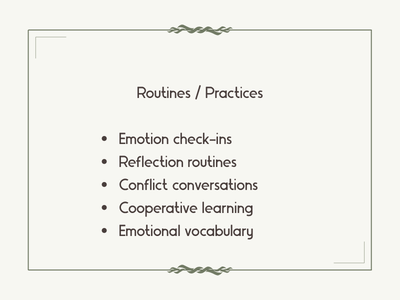
Many teachers support SEL through simple classroom systems that provide opportunities for students to reflect, communicate, and practice emotional skills.
Emotion Check-Ins
Emotion check-ins help students become more aware of their internal state before those emotions begin to influence behaviour.
In my classroom, sometimes this was very simple. I would pause during the day and ask students how they were doing.
If the class seemed overwhelmed or restless, we might take a short active break or simply step away from our work for a moment.
At other times I used a simple check-in graph placed near the classroom entrance. Students checked in when they arrived in the morning and again after recess and lunch.
Over time, students began recognizing patterns in their emotional energy throughout the day.
Reflection Routines
Reflection routines help students develop self-awareness and ownership of their learning.
In my classroom we often reflected after experiences such as:
- finishing a unit of study
- returning from a field trip
- hearing a guest speaker
- returning after long school breaks.
These moments gave students time to consider what they had learned and what goals they wanted to set moving forward.
Some colleagues also used weekly reflection journals that students shared with their families. This helped families see how students were thinking about their learning.
Conflict Resolution Routines
Conflict is a natural part of any classroom community.
One helpful approach is to create a simple routine students can follow when disagreements arise.
For example:
- Pause and take a breath
- Each student explains what happened
- Listen without interrupting
- Identify the problem together
- Agree on a possible solution.
Some classrooms create a small discussion space or peace table where students can work through these conversations.
Over time, students begin to see conflicts not as emergencies but as problems they can learn to solve respectfully.
What Are Examples of Social Emotional Learning Activities?
Many classroom activities can support SEL development.
Examples include:
- emotional vocabulary discussions; using appropriate emotional language for the moment
- cooperative learning projects: games, editing, science labs, art projects
- classroom meetings: a brief connection circle each moment
- reflective journaling
- empathy-building activities: silver boxes, relevant books.
- collaborative problem solving: math games, opportunities to share materials and fun activities.
These activities help students practice emotional and relationship skills in real classroom situations.
How Does Social Emotional Learning Improve Classroom Behaviour?
When students develop emotional awareness and relationship skills, several changes often begin to appear in the classroom.
Students may begin to:
- recover from frustration more quickly
- communicate disagreements more calmly
- show empathy toward classmates
- participate more confidently in learning activities.
When emotional skills grow gradually over time, the classroom environment often becomes calmer and more cooperative.
How Social Emotional Learning Connects to Classroom Management
Social emotional learning is one part of the Calm Classroom Framework, a system I developed to help teachers create calm, engaged, and predictable classrooms.
Clear expectations and routines help students understand what to do.
Social emotional learning helps students develop the internal skills they need in order to participate in those systems.
Together these elements support both behaviour and learning.

Where Teachers Can Begin With Social Emotional Learning
For teachers who feel overwhelmed, a simple starting point is helping students develop emotional vocabulary.
When students can identify emotions such as frustration, disappointment, excitement, or pride, they begin developing the foundation for emotional regulation.
Small daily conversations about emotions can gradually build students’ ability to manage their reactions and interact more thoughtfully with others.
What Teachers Often Notice When SEL Becomes Part of the Classroom
When students gradually develop social emotional skills, teachers often observe several encouraging changes.
Students begin to recover from challenges more quickly, communicate more respectfully with classmates, and show greater empathy toward others.
These shifts do not happen overnight.
But over time they contribute to a calmer classroom environment where students feel more capable of participating in learning.
When students learn to recognize emotions, communicate respectfully, and recover from frustration, classroom challenges become easier to manage and learning becomes possible again.
What Is Social Emotional Learning?
Social emotional learning is not a single lesson or program.
It grows gradually through conversations, reflection, and daily classroom experiences.
When students learn to understand their emotions and relationships more clearly, they develop skills that will support them far beyond their school years.
In many ways, these are lessons that last for decades and serve them in life.